
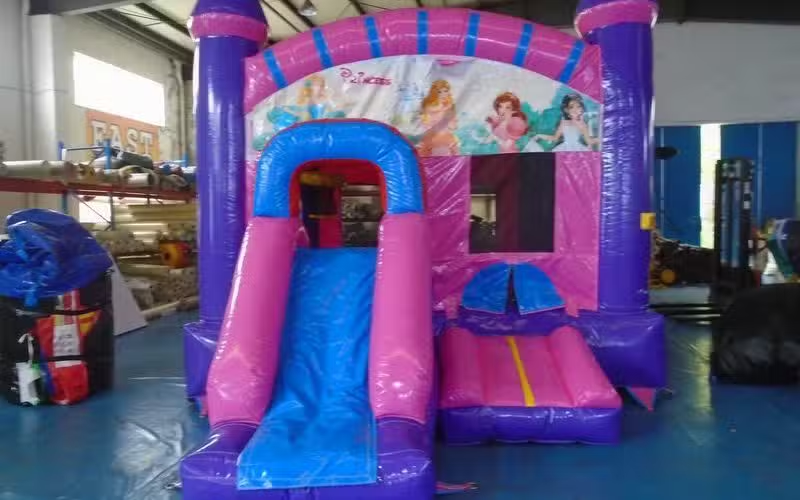
Setting up a jumping castle is the ultimate highlight of any Aussie backyard party or community event. But before you open the gates to a crowd of excited kids, is the setup truly secure?
In Australia, safety standards for inflatables are strict for a reason. Neglecting a simple check can lead to preventable accidents. To ensure a “no-worries” day of fun, run through these 8 essential safety checks before the jumping begins.
1. Is the Anchoring System Secure?
Wind is the primary cause of serious inflatable accidents. A jumping castle can lift off or flip even in seemingly light breezes if not properly tethered.
- The Check: Inspect every single anchor point provided by the manufacturer.
- Requirements: On grass, use metal stakes at least 380mm long. On hard surfaces, use certified weights (typically 25kg per point).
- Wind Limit: Never operate a jumping castle if wind speeds or gusts reach 38 km/h. If the wind picks up, evacuate the castle immediately.
2. Is There Sufficient Clearance Around the Perimeter?
Kids can bounce with a lot of momentum. If a castle shifts or a child falls near the exit, they need a “buffer zone” to prevent hitting hard objects.
- The Buffer: Maintain a minimum 2-metre clearance around all sides of the unit.
- Obstacle Check: Ensure the area is free from fences, brick walls, low-hanging gum tree branches, and overhead power lines.
3. Are the Blower and Electrics Protected?
The blower must remain operational and unobstructed at all times. If it fails, the castle deflates quickly, creating a risk of entrapment.
- Placement: Position the blower at least 1.2 metres away from the main structure.
- Cable Safety: All extension leads must be untangled and secured (ideally with safety ramps) to prevent tripping.
- Circuit Protection: Always use a Residual Current Device (RCD) safety switch.
4. Are Safety Impact Mats in Place?
The entrance and exit are high-traffic zones where falls are most likely to occur.
- Standard: Place shock-absorbing safety mats on all hard ground surfaces, such as pavers, concrete, or decking.
- Coverage: Mats should extend at least 1.2 metres outward from the step to ensure a soft landing zone.
5. Is the Inflation Pressure Firm Enough?
A “mushy” castle is dangerous because kids can get caught in the folds or collide with the ground through the floor.
- The Test: Apply firm pressure to the base and upright pillars. The unit should feel rigid. If the floor sags significantly when a child steps on it, the pressure is insufficient.
6. Have All “No-Go” Items Been Removed?
Sharp objects and high-impact jumping are a dangerous combination. Perform a quick check before entry.
- Mandatory Removal: All participants must remove shoes, glasses, jewellery, and sharp hair clips.
- Strict Prohibition: No food, drinks, or chewing gum. Choking is a significant risk during active play.
7. Is There a Plan for Age and Size Segregation?
Mixing large children with toddlers is a leading cause of collision injuries.
- The Rule: Only allow children of similar height and age to jump at the same time.
- Capacity: Strictly follow the manufacturer’s maximum occupancy label to avoid overcrowding.
8. Is a Designated Adult Supervisor Present?
A jumping castle must never be left unattended while inflated.
- The Role: A responsible adult must be stationed at the entrance at all times to monitor the number of kids and their behaviour.
- Behavioural Control: Stop dangerous play like somersaults, flips, or climbing on the side walls immediately.
Conclusion
Safety is the most important part of any celebration. By running through these 8 essential checks, you are taking proactive steps to prevent accidents and ensure the kids have a fantastic time. Remember, if you are ever unsure about the setup or the weather conditions, the best rule of thumb is to pause the jumping and consult professional guidelines. Stay safe and enjoy the party!